Amery Hospital
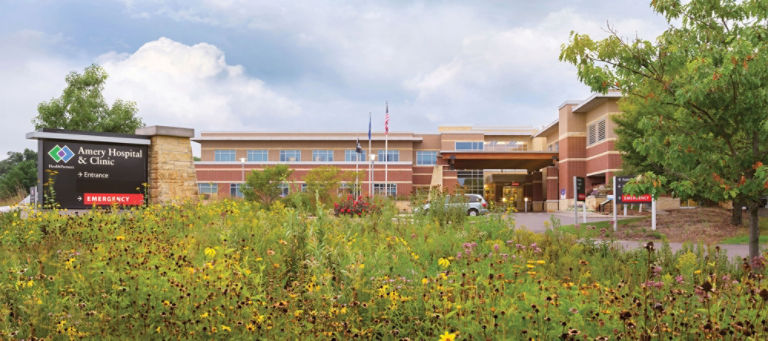
Amery Hospital & Clinic brings the high-quality health care you would expect to find in large cities to the convenience and comfort of your hometown. Here, you’ll get expert treatment with the personalized touch of community doctors.
We’ve cared for the Amery community since 1956. In our time serving Amery and the surrounding communities in Polk County and western Wisconsin, we’ve worked to offer more to our patients – more care options, more comfort and more expertise. To do this, we work closely with our partner hospitals and clinics in the Twin Cities and western Wisconsin, including Regions, Hudson, Lakeview and Westfields Hospitals. And, as part of the HealthPartners care system, we can seamlessly connect patients to specialized care from hundreds of doctors in our care system.
Amery Hospital & Clinic earned national recognition as a leader in excellent patient outcomes from The Chartis Center for Rural Health and the National Organization of State Offices for Rural Health, ranking us among the top 25% of rural hospitals in the United States. We’ve also been recognized for our commitment to sustainability and the environment. We were the first hospital in the world to become a Certified Audubon Cooperative Sanctuary among many other awards and recognitions.
Our team of leading doctors, specialists and surgeons will be by your side through all of life’s moments, from birth to senior care. Whether you need an annual checkup, want to schedule a therapy session or want to talk to an orthopedic doctor, you’ll find all that and more just a short way from home.
Amery Hospital & Clinic offers community clinics in Polk and Barron counties. These satellite clinics, including Amery Clinic, Clear Lake Clinic, Luck Clinic and Turtle Lake Clinic, bring the highest quality of care to convenient locations so our patients can get the care they need near their homes.
You and your family deserve outstanding care. Our team is dedicated to bringing the highest quality of care to our community. At Amery Hospital & Clinic, our doctors, surgeons and other members of our care team provide expert care and treatment in many specialties, including cardiology, mental health, oncology, orthopedics, women’s health and many others.
A comprehensive system of care
Amery Hospital & Clinic is part of the HealthPartners health care system, which means you have access to the full array of HealthPartners care and services. When our patients require a higher level of care, we transfer them into good hands with the world class team at Regions Hospital.
The HealthPartners care system includes a multi-specialty group practice that serves more than 1.2 million patients across Minnesota and western Wisconsin. Together, we’re living our values each day to promote the health and well-being of the Amery community and beyond.